We live in an age of overwhelming abundance and constant noise. Our feeds are flooded with images of perfect homes, impeccable outfits, and seemingly effortless lives. The pressure to “optimize” every facet of our existence—from our morning routine to our side hustle—can be paralyzing. In this cacophony, the concept of a “curated life” has emerged not as a mandate for perfection, but as a gentle, powerful antidote to the chaos.
This is not about acquiring more or adhering to a rigid, minimalist aesthetic dictated by someone else. It is about the deliberate, thoughtful art of selection. It is about choosing what resonates with you—what brings function, beauty, and joy into your daily orbit—and letting the rest fade into the background. This guide explores how the principles of curation, often associated with museums and galleries, can be applied to modern life and personal style to create a sense of coherence, purpose, and authentic identity.
Part I: The Philosophy of Curation—From Chaos to Coherence
Curation vs. Consumption
The default mode of modern life is consumption. We consume content, goods, news, and trends passively, often without conscious choice. Our homes fill with impulse buys, our closets with fast-fashion pieces worn once, and our minds with fragmented information. Curation is the active, critical opposite. It asks the questions: Does this serve me? Does this bring value? Does this align with who I am or who I aspire to be?
A curator in a museum doesn’t display every piece of art ever created. They tell a story. They create a narrative through careful selection, considering theme, contrast, flow, and impact. We can be the curators of our own lives. Our physical spaces, our schedules, our relationships, and our wardrobes are the galleries. The narrative is our personal story.
The Pillars of Life Curation:
- Intention: Moving from autopilot to awareness. Why are you bringing this object, commitment, or piece of clothing into your life?
- Editing: The courageous act of removal. It is the “deaccessioning” of your life’s gallery—letting go of what no longer fits the narrative.
- Cohesion: Seeking harmony, not matchy-matchy uniformity. It’s the thread that connects your home’s living room to your wardrobe to your weekend activities, creating a sense of wholeness.
- Evolution: Accepting that your curation is not static. As you grow and change, so will your selections. A curated life is fluid, not frozen.
Part II: Curating Your Space—The Gallery of Daily Life
Your home is the primary gallery of your curated life. It is the backdrop against which your days unfold.
The Entryway: Setting the Tone
Consider your entryway the “title wall” of your home. It should not be a dumping ground but a transitional space that sets the mood. What do you want to feel when you walk in? Calm? Energized? Inspired? A simple console with a bowl for keys, a piece of art you love, and a good-smelling candle can instantly create an intentional welcome. It’s a signal to your brain: you have crossed a threshold from the public world into your personal sanctuary.
The Living Room: Function and Connection
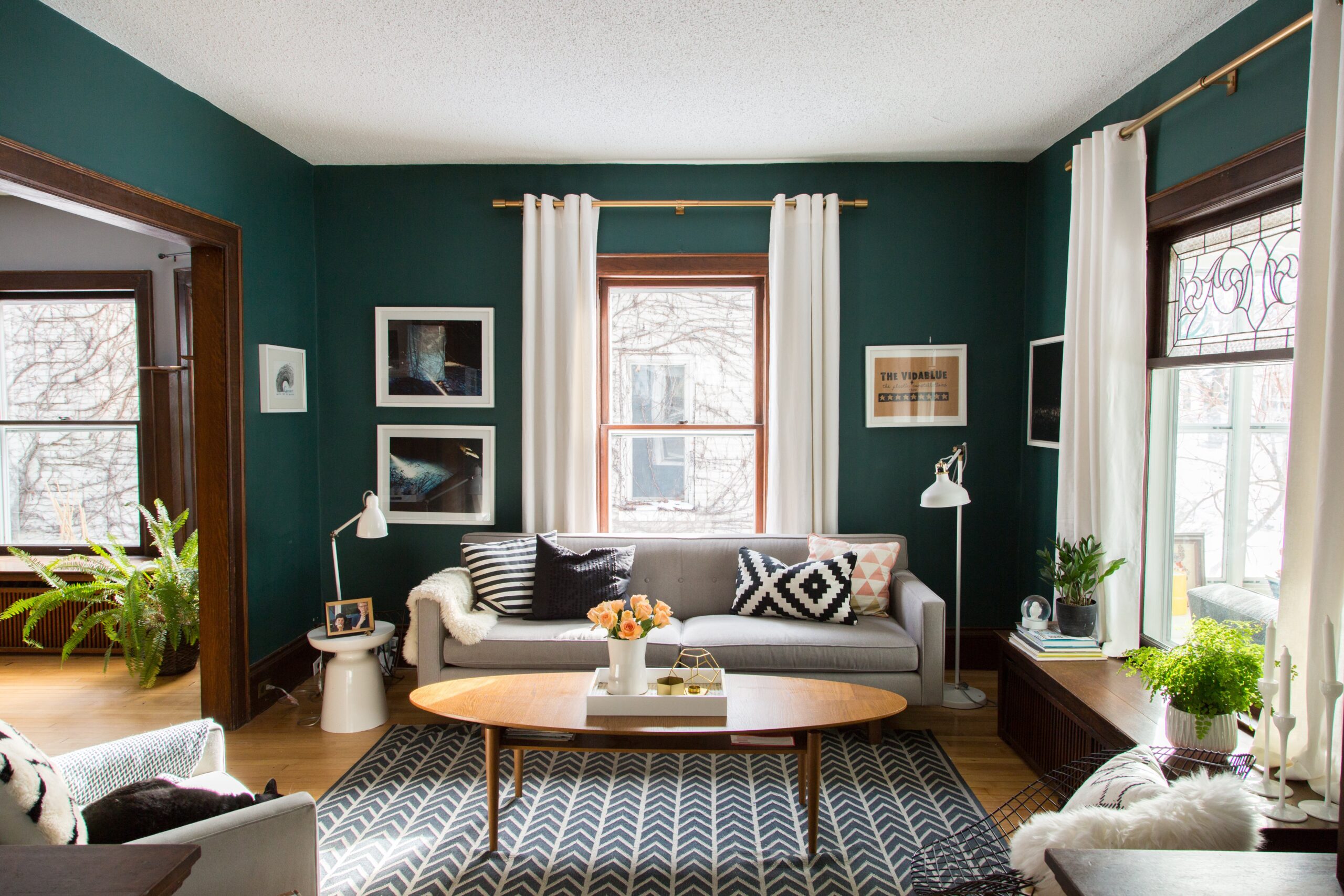
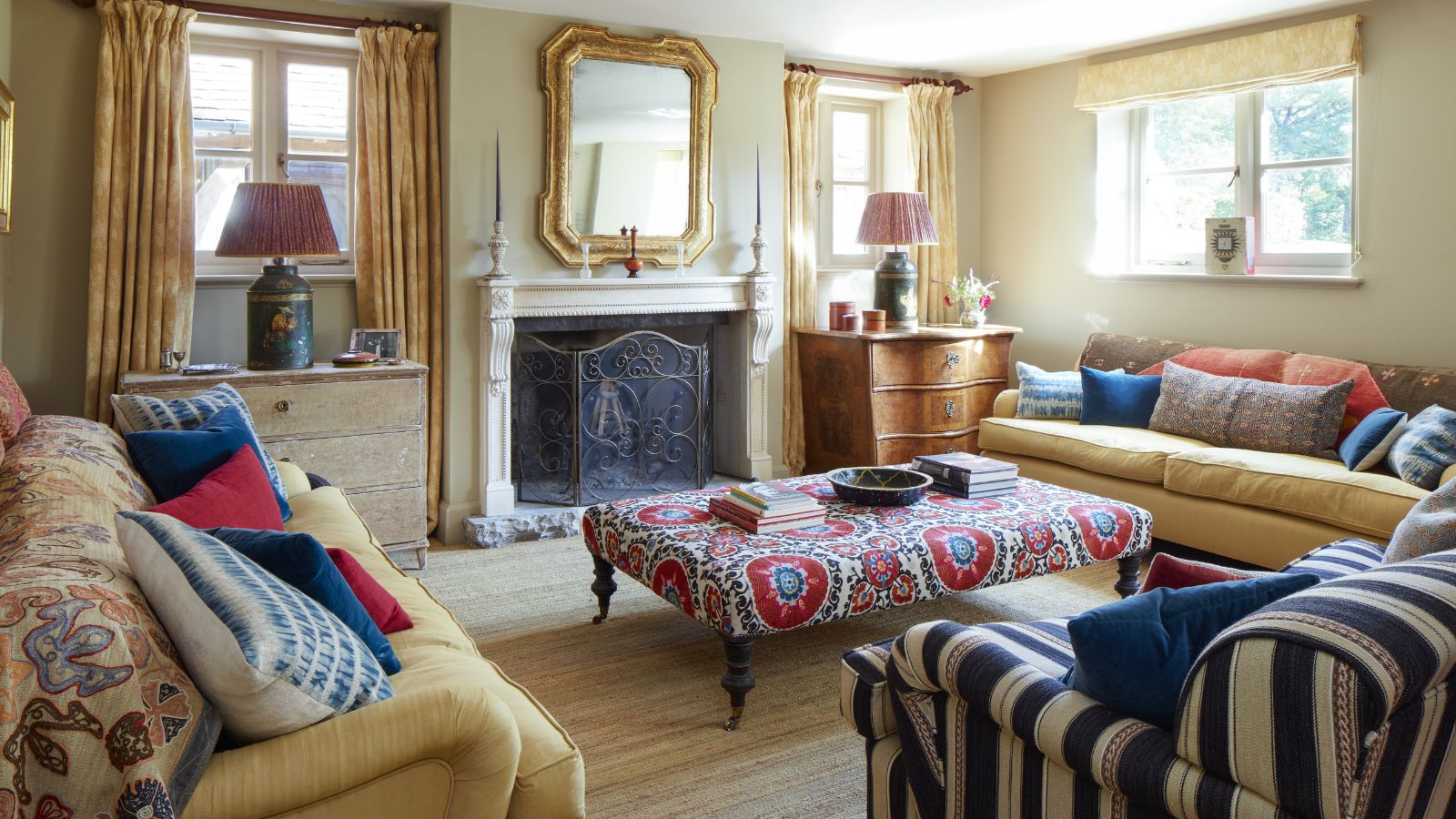
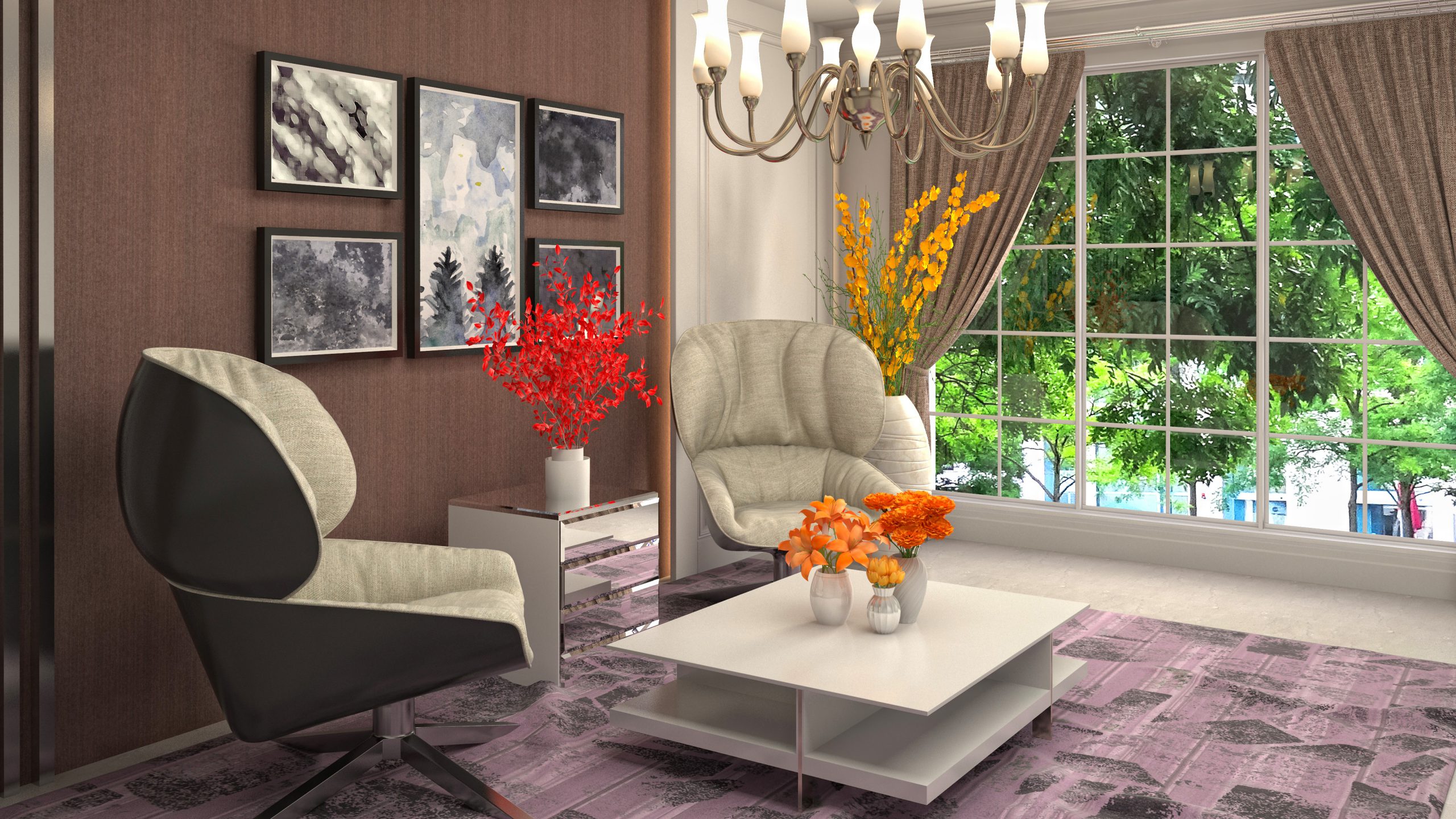
Rooms, like exhibits, should have a clear purpose. What is your living room for? Is it for deep conversation, requiring comfortable seating arranged for talk? Is it for family movie nights, demanding cozy textures and soft lighting? Is it for quiet reading, necessitating good light and a dedicated chair? Define the purpose, then curate items that serve it. A large, clear coffee table might encourage gathering, while a pile of beautiful books can spark curiosity. Every object should earn its place—either through profound utility or deep sentimental value.
The Kitchen: The Studio of Nourishment
Treat your kitchen like a chef’s studio. Visible countertops are your workspace. Curate only the appliances you use weekly (the trusty stand mixer) and hide the single-use gadgets. Display beautiful, functional items—a hand-thrown ceramic bowl for fruit, a set of good knives on a magnetic strip. This isn’t about a sterile showroom; it’s about creating an environment that makes the act of nourishing yourself and others a pleasurable, uncluttered ritual.
The Bedroom: The Sanctuary for Restoration
This is the most intimate gallery, dedicated to rest and rejuvenation. Curation here is about sensory simplicity. High-quality bedding in a calming color palette, blackout curtains, and the removal of work-related items or cluttered surfaces. The bedroom’s narrative is one of peace. Let the art on the walls be soothing, the lighting soft, and the technology minimal. Your goal is to create a cave of comfort, a physical manifestation of the permission to rest.
The Digital Space: The Virtual Gallery
Our phones and computers are extensions of our space. Curate your digital life with the same rigor. Organize apps into folders by function. Unsubscribe from emails that no longer interest you. Be ruthless in curating your social media feeds—follow accounts that inspire, educate, or genuinely connect, and mute those that incite comparison or anxiety. Your digital gallery should be a tool for enrichment, not a source of endless scroll-induced fatigue.
Part III: Curating Your Style—The Wearable Narrative
Personal style is one of the most potent forms of self-curation. Your clothing is the art you wear on your body, telling a story to the world and, more importantly, to yourself.
Beyond Trends: Finding Your Core Aesthetic
Trends are like temporary exhibitions—interesting to visit, but not necessarily what you want to build your permanent collection around. Begin your style curation by identifying your core aesthetic. This is your foundational “permanent collection.” Are you drawn to clean lines and neutral tones (minimalist)? Do you love texture, pattern, and a sense of history (eclectic)? Does your life demand functional, durable pieces with a rugged elegance (utilitarian)? Look at the clothes you reach for most often, the ones that make you feel most confident. What are their commonalities in color, cut, fabric, and silhouette?
The Curated Closet: The Edit
This is the most transformative step. Empty your closet. Treat each item as a piece in a potential exhibition.
- The Masterpieces: These are the items you love unconditionally. They fit perfectly, feel amazing, and align with your core aesthetic. They stay, front and center.
- The Support Pieces: These are versatile basics (the perfect white tee, well-fitting jeans) that allow your masterpieces to shine. They are the neutral walls of your wardrobe gallery.
- The Deaccessioned: Be brutally honest. Items that don’t fit, are damaged beyond repair, or haven’t been worn in over a year (with the exception of true sentimentals or formalwear) should go. Thank them for their service and let them find a new home. This creates physical and mental space.
The Art of the Outfit: Creating Compositions
Getting dressed becomes an act of joyful creation when you view your closet as a curated collection. Instead of staring at a sea of clothes, you see a selection of compatible pieces. Build a capsule of coherence: a smaller selection of items (e.g., 3 bottoms, 5 tops, 2 dresses, 2 layers) that all work together. This isn’t about having fewer clothes; it’s about having better relationships between your clothes. A curated wardrobe means you can grab almost any top and any bottom and they will work in harmony because they share a common color story, aesthetic, or level of formality.
Investing in the Statement Piece
A truly curated wardrobe has room for the iconic statement piece—the equivalent of a museum’s centerpiece artwork. This is the investment item: the impeccably tailored blazer, the artisan-made bag, the unique piece of jewelry from your travels. It is not defined by price, but by significance. It is the item that elevates everything else, that sparks joy every time you wear it, and that becomes a signature part of your personal narrative.
Part IV: Curating Your Time—The Rhythm of a Meaningful Day
If objects and clothes are the “what” of your life, time is the “when.” Curating your time is about designing the rhythm of your days to support your priorities.
The Myth of “Busy” and the Power of “Blank Space”
A curated schedule is not a packed schedule. In a gallery, the space between artworks—the “negative space”—is crucial. It allows the eye to rest and the art to be appreciated. Similarly, your schedule needs blank space: unscheduled time for rest, spontaneity, thinking, or simply being. Protect this space fiercely. It is where creativity and recovery happen.
Theming Your Time
One powerful curation technique is time theming. Instead of a fragmented to-do list, assign broad themes to different days or parts of the day. For example:
- Mondays: Administration & Planning (emails, scheduling, errands)
- Mornings: Deep Focus Work
- Afternoons: Meetings & Collaboration
- Friday Afternoons: Creative Exploration & Learning
This creates a predictable rhythm, reduces decision fatigue, and allows you to enter a more focused state for each type of task.
Curating Your Commitments
Every “yes” is a curation choice. Before accepting a new commitment—a social event, a volunteer role, a new project—ask your curation questions: Does this align with my current priorities? Will this add value or enrichment to my life, or will it primarily drain my energy? Does it fit the narrative of the season I’m in? Learning to say “no” gracefully is the essential editing tool for your calendar, protecting your most precious resource: your attention and energy.
Part V: The Curated Mind—Selecting Your Influences
Ultimately, the most important gallery we curate is the internal one—our mind. What we consume shapes how we think, feel, and see the world.
Media Consumption: Your Intellectual Diet
Be the curator of your information intake. Seek out books, podcasts, newsletters, and films that challenge, inspire, and expand your perspective. Diversify your sources. Intentionally limit “junk food” media—content designed solely to provoke outrage or passive consumption. Set boundaries with news cycles; staying informed doesn’t require being constantly inundated.
Relationships: Your Inner Circle as an Exhibit
Consider the people you spend the most time with as the core exhibition in your social gallery. Do these relationships feel reciprocal, supportive, and enriching? Do they encourage the version of yourself you wish to be? Curating your circle doesn’t mean ending relationships arbitrarily, but it does mean being intentional about who you give your deepest time and vulnerability to. Nurture the connections that feel like mutual masterpieces.
The Practice of Mindfulness: The Curator’s Eye Turned Inward
Mindfulness is the practice of curating your present-moment experience. It is noticing the “objects” in your mental gallery—thoughts, feelings, sensations—without immediately grabbing onto them. You observe them, label them (“that’s anxiety,” “that’s a memory”), and choose which to engage with. This mental curation creates space between stimulus and response, granting you the ultimate freedom: the choice of how to react.
Conclusion: The Never-Finished Masterpiece
A curated life is not a destination you arrive at one day. It is a continuous, gentle practice of alignment. It is the quiet joy of using your favorite pen, the comfort of slipping into a perfectly broken-in pair of shoes, the peace of a clear surface in your home, the satisfaction of a day spent in accordance with your values.
There will be messy corners, impulse buys, and overbooked weeks. That is not failure; it is part of the human experience. The power lies in returning to the curator’s question: Does this serve the life I want to live?
Start small. Curate a single drawer. Define your color palette. Block out one hour of blank space this week. With each intentional choice, you are not just organizing your belongings or your schedule—you are composing the artwork of your life. You are moving from being a passive consumer of modernity to an active author of your own story. In a world of endless noise, your curated life becomes your most authentic, peaceful, and powerful statement.