Let’s be real. The world outside is a lot. It’s loud, it’s bright, it’s demanding, and it’s chronically online. We’re all running a low-grade fever of overstimulation. So when we come home, we’re not just looking for a place to sleep. We’re looking for a psychological airlock—a space that decompresses us, that lets us shed the day’s static and remember who we are underneath the noise.
You’ve heard of hygge (the Danish concept of cozy contentment). Maybe you’ve bought a chunky knit blanket and lit a candle. But then… nothing. You’re sitting in a staged scene of coziness, still feeling vaguely anxious. Why?
Because coziness isn’t a product. It’s not a scented candle you can buy. It’s a sensory environment you engineer. Hygge is a beautiful entry point, but it’s just one dialect in the global language of comfort. True sanctuary-building—what we might call Deep Cozy—goes beyond the aesthetic. It targets all five senses to build a fortress of calm so palpable you can feel your shoulders drop when you walk through the door.
This is the art of making your home not just a place you live, but a place that heals you. Let’s move past the Instagram version and build a haven that works.
Part 1: The Cozy Spectrum – It’s More Than Knitted Throws
Cozy isn’t one note. It’s a range of feelings we need at different times. Recognizing this helps you build zones, not a monochrome cocoon.
- Hygge (Danish): The comfort of simple pleasures. Candles, coffee, togetherness. It’s soft, warm, and social. Think: A shared meal with low light.
- Friluftsliv (Norwegian): “Free air life.” The coziness that comes from contrast. The deep, earned comfort of coming inside to warmth after being in the cold, crisp outdoors. Think: Peeling off wet layers after a hike to sit by the fire.
- Gemütlichkeit (German): A more robust, convivial coziness. It’s the feeling of a bustling, warm pub—friendly, hearty, and belonging. It’s cozy with community noise. Think: A bookshelf-lined study with a full, welcoming armchair.
- Còsagach (Scottish Gaelic): The snug, sheltered, “sheltering-from-a-storm” cozy. It’s woody, textured, and feels protective. Think: A nook under the stairs, filled with pillows and a blanket, while rain lashes the windows.
Your home can have different rooms (or corners) that speak to these different needs. The goal is to have the right kind of cozy for your mood.
Part 2: The Deep Cozy Blueprint – Engineering Calm for All Five Senses
This is the core of moving from looking cozy to feeling cozy. You must architect the experience.
Sight: The Anti-Glare Principle
Our eyes are exhausted from screens and fluorescent lights. Deep Cozy light is indirect, warm, and low.
- Ditch the Overhead. Turn off the ceiling fan light. Forever. It’s the enemy of atmosphere.
- Embrace the Lamp Layer. Use multiple low-level light sources at different heights: floor lamps, table lamps, wall sconces. This creates a “pooled” lighting effect that feels intimate and restful.
- Master the Kelvin. Light bulbs have a color temperature measured in Kelvins (K). For cozy, you want 2700K or below (labeled “warm white” or “soft white”). This is the golden, candle-like glow. 5000K (daylight) is for surgery, not sanctuary.
- Incorporate Fire & Flicker: The primal comfort of a flame is unbeatable. If you don’t have a fireplace, use a cluster of real candles (unscented for purity) or a high-quality, realistic flickering LED candle. The moving light is hypnotically calming.
Sound: Creating a Sonic Blanket
Cozy isn’t just quiet; it’s the right kind of sound.
- Mask the Annoying: Use white noise machines, fans, or apps to drown out jarring street noise, apartment clamor, or tinnitus. It creates a consistent, neutral sonic backdrop.
- Add the Soothing: Create playlists of sounds that signal safety to your brain: rainfall, crackling fire, gentle acoustic music, or ambient “coffee shop” murmur. These are non-demanding, rhythmic sounds.
- Embrace Textural Sound: The rustle of a page turning, the quiet clink of a ceramic mug, the soft thud of a wool sock on wood. Choose materials and objects that make pleasant, gentle sounds.
Touch: The Tactile Paradise
This is where “cozy” lives in the body. It’s about creating a landscape of inviting textures.
- The Rule of Thirds: In any seating area, have at least three different, inviting textures within arm’s reach. A nubby wool throw, a velvet cushion, a smooth, cool ceramic mug. This invites interaction and sensory pleasure.
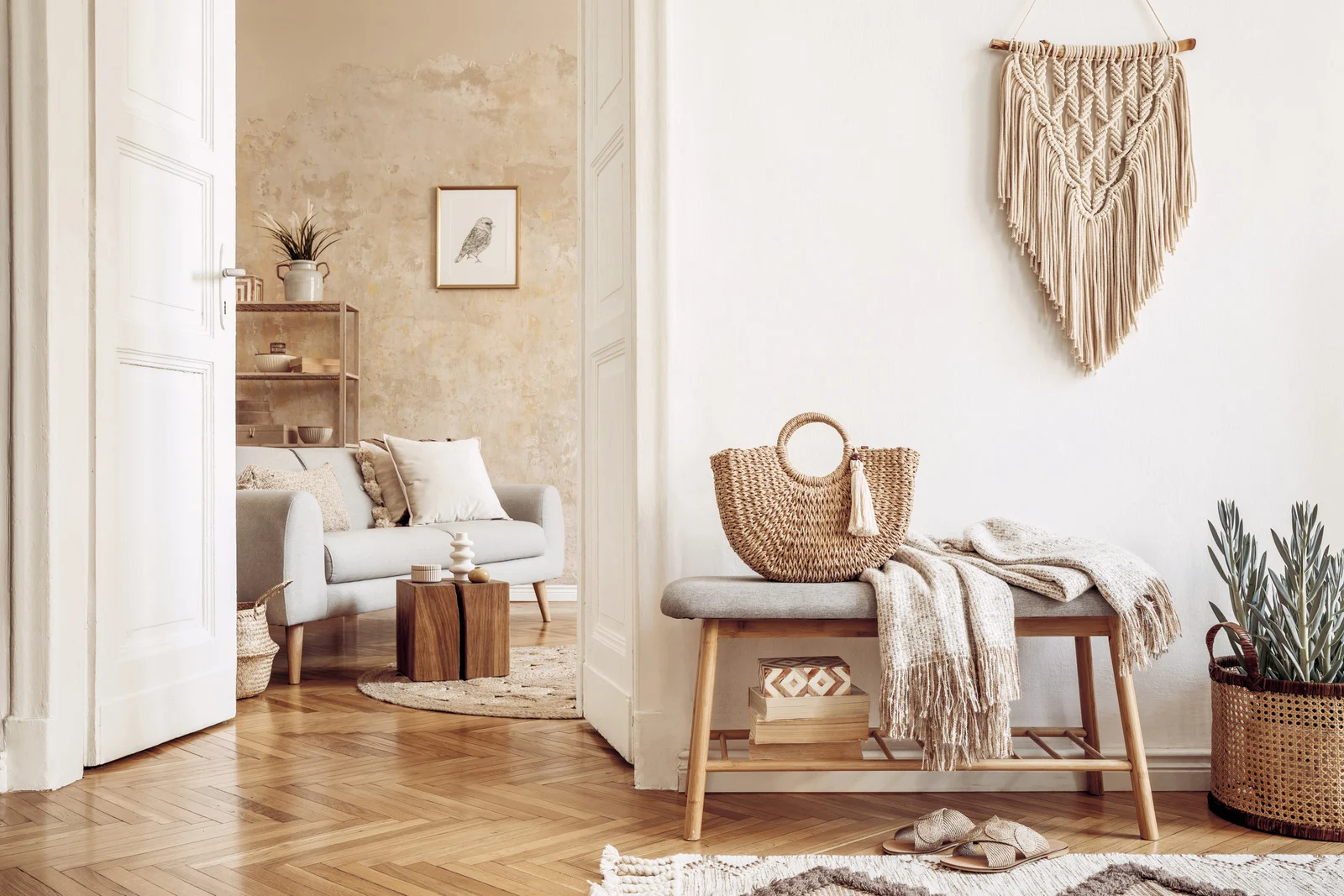
- Floor-to-Body Connection: Bare feet on a cold, hard floor is anti-cozy. Plush rugs (shag, sheepskin, thick wool) are not decor; they are essential tactile infrastructure. They literally ground you in comfort.
- Furniture That Embraces: Choose upholstery you want to sink into—velvet, chenille, heavy linen, soft leather. Avoid stiff, scratchy, or plasticky materials. Your furniture should feel like a hug.
Smell: The Invisible Atmosphere
Scent is the most direct pathway to memory and emotion. It sets the mood instantly.
- Ditch the Synthetic Overload: Overpowering, artificial air fresheners and strong perfumed candles can trigger headaches and feel cheap. Aim for subtle, natural, and authentic.
- Embrace Natural Aromatics: Simmer pots with citrus and cinnamon, bundles of dried eucalyptus in the shower, a simple vase of fresh herbs (like rosemary or mint), or high-quality essential oil diffusers with scents like sandalwood, cedar, lavender, or vanilla.
- The Smell of “Real”: The gentle scent of beeswax from a burning candle, the aroma of freshly baked bread, the smell of clean linen dried in the sun. These are the comforting smells of a lived-in, loved home.
Taste: The Closing Ritual
Cozy is often completed with a simple, warm ritual for the mouth.
- The Warm Drink Ceremony: The act of making and slowly sipping a cup of herbal tea, hot cocoa, or mulled cider is a meditative, comforting ritual. It’s about the warmth in your hands and your belly.
- A Small, Sweet Something: A piece of dark chocolate, a shortbread cookie. It’s a tiny, deliberate pleasure that feels indulgent and kind.
Part 3: The Cozy Mindset – Behaviors, Not Just Belongings
You can have all the right stuff and still not feel cozy if your habits work against it.
- The “One-Touch” Tidy: Clutter is visual noise and the enemy of calm. Implement a daily 10-minute reset where everything finds its “home.” A physically ordered space supports a mentally ordered mind.
- Digital Sunset: Create a physical corner or time where devices are not allowed. Use an actual book, a physical notebook, a analog puzzle. The blue light and mental pull of screens are anti-cozy.
- Embrace the Worn & Loved: Cozy is forgiving. It’s the slightly stained mug you love, the blanket with a pull in it, the book with a cracked spine. Perfection is stressful; gentle wear is comforting.
Part 4: Building Your Cozy Zones
You don’t need to transform the whole house. Start with intentional pockets.
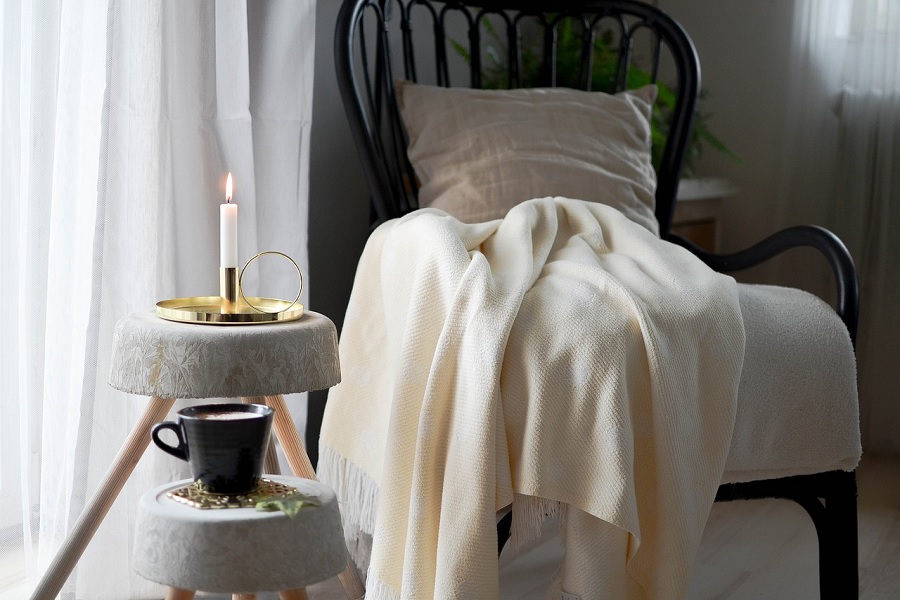
- The Reading Nook: The ultimate cozy project. It needs: One amazing chair (the most comfortable you can afford), excellent, focused light (a floor lamp that arches over the shoulder), a small side table for that warm drink, a textural blanket, and a stack of real books. Tuck it in a corner.
- The Window Seat: If you have a bay window or even a window with a deep sill, claim it. Pile it with cushions and a sheepskin. It becomes a perch for watching the world while being utterly sheltered.
- The Floor Picnic Spot: Sometimes cozy is low to the ground. A super-plush rug, a large floor cushion (pouf), and a low coffee table can create an intimate, relaxed alternative to formal seating.
Conclusion: Cozy as a Verb
Deep Cozy isn’t a style you buy. It’s a practice. It’s the verb of curating your immediate environment to actively care for your nervous system.
It’s choosing the warm bulb over the cold one. It’s putting the kettle on for no reason other than to hold a warm mug. It’s lighting the candle before you even decide what to do next. It’s the tangible feeling of the world being shut out, and your own humanity being welcomed back in.
Forget trying to make your home look like a cozy catalog. Start asking: Does this sound calm? Does this feel soft? Does this smell safe? Does this light let me rest?
Build that, and you haven’t just decorated a room. You’ve built a sanctuary. You’ve mastered the art of coming home to yourself.
FAQs: Your Deep Cozy Questions
Q1: I have kids/pets/a busy household. How can I have cozy without it being destroyed?
A: Cozy must be durable and realistic. Choose performance fabrics for upholstery (microfiber, crypton, treated velvet) that wipe clean. Use washable rugs (like Ruggable) and machine-washable blankets. Create “cozy bins” where throws and pillows can be tossed at the end of the day for a quick reset. Cozy in a busy home is about creating resilient, low-friction comfort zones that can handle life. The feeling of a fort made with blankets on the couch is peak family cozy.
Q2: My partner loves bright, cool light and a minimalist look. How do we compromise on cozy?
A: Frame cozy as “zones,” not a whole-house mandate. Agree that the main overhead lights stay off after a certain hour, using lamps instead (you can find minimalist-design lamps with warm bulbs). Dedicate one room or corner as the “cozy zone” with their consent, while keeping common areas more to their taste. Use cozy elements that align with minimalism: a single, exquisite sheepskin throw, one perfect ceramic lamp with warm light, a textural neutral rug. It’s about quality of sensation, not quantity of stuff.
Q3: I live in a hot climate. How do I achieve cozy without it feeling stifling?
A: Cozy in the heat is about cool, tactile comfort and serene atmospheres.
- Touch: Lean into linen and cotton—breathable, cool-to-the-touch fabrics.
- Sight: Use a palette of cool, soothing colors (blues, greens, whites) and diffuse, soft light.
- Sound: The sound of a ceiling fan or a breezy soundscape can be incredibly cozy.
- Smell: Fresh, clean scents like eucalyptus, mint, or ocean air.
- Taste: Iced herbal tea or cold brew coffee becomes the ritual. Cozy becomes about cool refuge, not warm enclosure.
Q4: I’m on a tight budget. What are the most impactful, affordable cozy upgrades?
A: The best cozy is often cheap or free.
- Lighting: Changing every bulb in your home to warm white (2700K) costs under $50 and is the single biggest change.
- Textiles: Hit thrift stores for wool blankets and textured throws. One amazing blanket is better than three cheap ones.
- Sound: A free white noise app on an old phone and a small Bluetooth speaker.
- Smell: A simmer pot (orange peels, cinnamon, water) costs pennies.
- The Nook: Repurpose the comfiest chair you already own, add a borrowed side table and a lamp you already have. Cozy is an edit and an intention, not a shopping list.
Q5: How do I make a small apartment (like a studio) feel cozy without feeling cluttered?
A: In a small space, cozy is about textural layers and defined zones.
- Use a large area rug to define the “living room” area, creating a visual and tactile anchor.
- Hang string lights or a pendant lamp over your bed or sitting area to create a “ceiling” of warm light for that zone.
- Use room dividers like a tall bookshelf or a sheer curtain to create psychological separation between “sleep,” “live,” and “work.”
- Keep textures simple and cohesive (e.g., all natural fibers: cotton, linen, jute, wood) to feel layered but not chaotic. The coziness comes from the enveloping, cocoon-like feeling of a well-defined, sensory-rich small space.