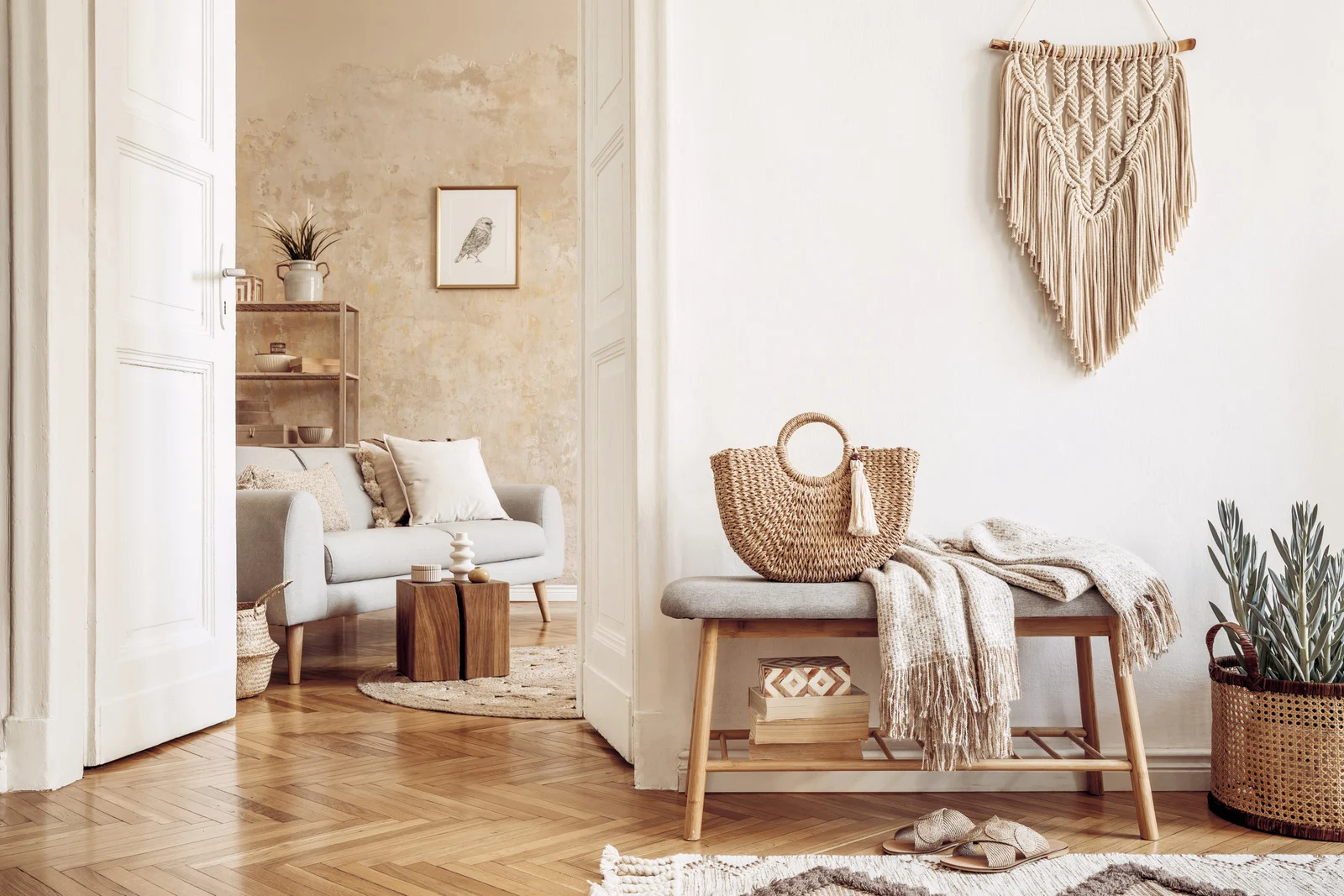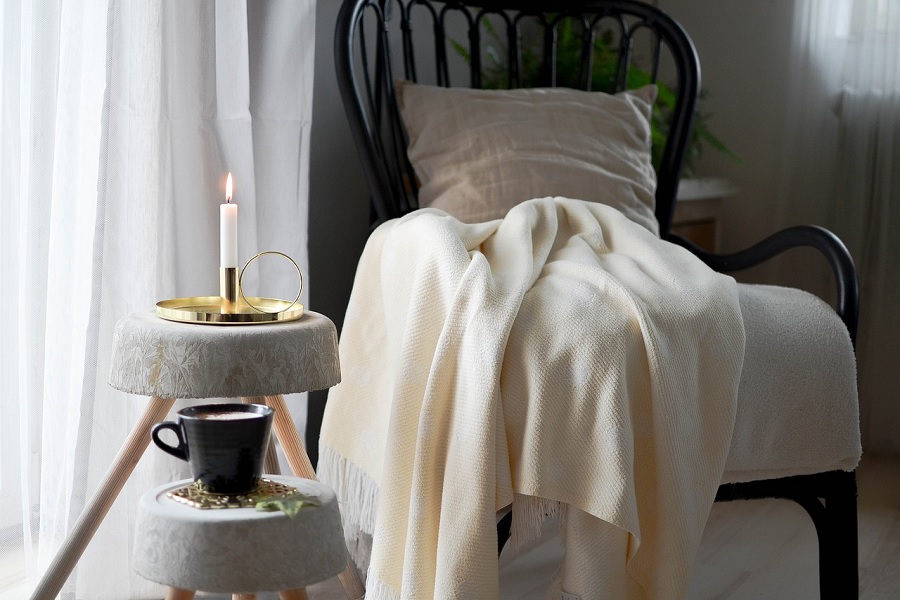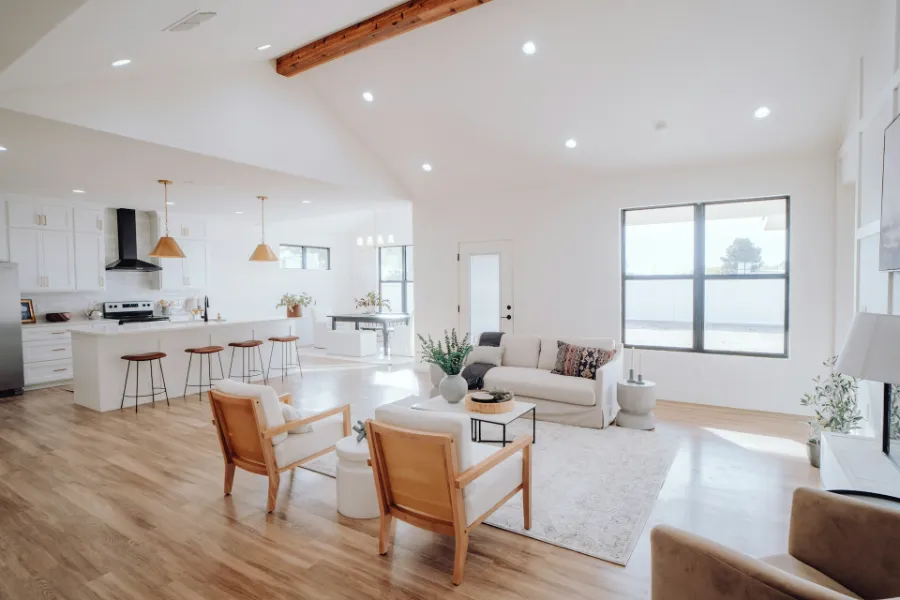
Let’s be honest for a second. How many times have you scrolled through Instagram or Pinterest, seen a perfectly curated, all-white, minimalist living room, and thought: “I should want that… but it just feels… cold?” Or maybe you’ve walked into a friend’s house that looks like it was ripped from a catalog and felt a strange disconnect—it’s beautiful, but it doesn’t feel like them.
That’s the silent epidemic in home design today. We’re drowning in aesthetics but starving for authenticity. We’ve confused a style (Scandinavian, Japandi, Industrial Chic) with a soul. Your home shouldn’t be a showroom for the latest trend; it should be the physical archive of your life, your curiosities, and your comfort.
This isn’t about rejecting beauty. It’s about redefining it. Beauty isn’t in perfect conformity; it’s in the patina of a well-loved wooden table, the splash of color from a painting you bought on a trip, the cozy clutter of a bookshelf filled with stories you’ve actually read. Let’s ditch the pressure and build spaces that don’t just look good in a photo, but feel good to live in. Spaces that whisper, “You’re home.”
Part 1: The Diagnosis – Why Does My House Feel Like a Hotel?
We’re living in the age of the “Instagram Imperative.” Our homes have become another channel for performance. We chase photo-ready moments, not lived-in comfort. This creates three major syndromes:
1. The Trend Whiplash Effect
One year it’s all millennial pink and rose gold. The next, it’s dark moody greens and grandmillennial florals. Trying to keep up is exhausting and expensive. Your home becomes a timestamp of trends past, not a reflection of you.
2. The “Shelfie” Syndrome
We buy decor not because we love it, but because it will look good on a shelf for a social media post. The result? Meaningless knick-knacks that collect dust and create visual noise without bringing an ounce of joy.
3. The Comfort Compromise
We choose the scratchy-but-photogenic wool throw over the chenille blanket you actually want to burrito in. We pick the sleek, rock-hard modernist chair over the squishy, overstuffed armchair that welcomes you after a long day.
The question we need to ask isn’t “Is this stylish?” It’s “Will this make me want to spend time here?”
Part 2: The Cure – Principles for a Personality-First Home
Building an authentic home is a process of excavation, not decoration. It’s about uncovering what you truly love, not layering on what you’re told you should.
Principle 1: Practice “Slow Decorating”
Forget the weekend makeover. Your home is not a project to be completed. It’s a story to be written over years. Only bring in items you genuinely love. If you don’t find the perfect sofa, live with the old one a while longer. Let each piece be intentional. A home collected over time has a depth and richness that a one-time decor splurge can never replicate.
Principle 2: Cultivate “Patina”
Perfection is sterile. Patina is the beauty of use, age, and memory. It’s the slightly faded rug from your grandmother, the wood floor with its gentle dents and scratches, the leather chair that’s softened and darkened where you always sit. Don’t fear wear; curate it. Choose materials that age gracefully—solid wood, natural stone, linen, leather. Let your home tell the story of your life.
Principle 3: Lead with Layout, Not Aesthetic
Before you think about color palettes, think about flow and function. How do you actually live?
- Do you love to host? Arrange seating for conversation, not for TV viewing.
- Do you work from home? Carve out a dedicated, inspiring nook, not just a corner of the dining table.
- Do you cook every night? Make your kitchen tools accessible and beautiful.
Design for your rituals, not for a magazine spread.
Principle 4: The 70-20-10 Rule of Personality
This is your anti-boring formula:
- 70% Foundation: Your base layer. Think warm, neutral walls (not just white—consider cream, oat, soft grey), foundational furniture in natural materials, quality flooring. This is your calm canvas.
- 20% Character: This is where you shine. Your favorite art, a statement vintage rug, bold curtains, a collection of pottery displayed together, bookshelves filled with your favorites.
- 10% Whimsy: The playful, unexpected, personal touches. The weird little sculpture from a flea market, the neon sign with an inside joke, the splash of a wildly colorful pillow. This is the magic that makes it unmistakably yours.
Part 3: The How-To: Finding Your “Authentic” Style
Stuck? Don’t look at decor accounts. Look at your own life.
Exercise 1: The Emotional Inventory
Walk around your current space. What three spots make you feel most calm, happy, or inspired? Why? Is it the light? A particular texture? A cherished object? Note the common threads.
Exercise 2: The Style Agnostic Closet Check
Look at your favorite clothes. Not the fancy ones you never wear, but the ones you reach for daily. Are they soft linen? Structured denim? Cozy knits? Rich colors? Monochrome? Your clothing preferences are a direct cheat sheet to the textures, colors, and feels you’ll love in your home.
Exercise 3: The Memory Lane Treasure Hunt
What objects hold real stories? The shell from a meaningful beach walk, the ticket stub from a favorite concert, the quilt your aunt made. These aren’t decor; they are anchors of identity. Give them pride of place, not a dusty drawer.
Part 4: Room-by-Room Authenticity Boosters
Let’s get practical. Small shifts with big impact.
The Living Room: Ditch the “Conversation Pit”
Arrange seating to actually face each other, not the TV. Have surfaces (side tables, shelves) at arm’s reach for a drink, a book, a remote. Lighting is key: Abandon the single overhead light. Use a mix of floor lamps, table lamps, and sconces to create “pools” of light that make the room feel intimate and layered.
The Kitchen: Celebrate the “Working” Beauty
Open shelves to display beautiful, daily-use dishes instead of hiding everything. Hang frequently used utensils on a wall rail. Keep a bowl on the counter for truly fresh fruit (not fake decor fruit). Let your kitchen look like it’s loved and used by a cook.
The Bedroom: The Sanctuary Reset
This room has one job: rest. Banish non-sleep items (laptops, work papers). Invest stupidly in your bedding—high thread count cotton, linen, a down duvet. This is where you spend a third of your life. Make it tactile heaven. Dim, warm lighting is non-negotiable.
The Bathroom: Spa, Not Showroom
Add warmth with wood accents (a teak stool, a bamboo tray). Plush, absorbent towels in a stack you can actually use. A single, beautiful piece of art or a small plant. A dedicated spot for your daily ritual items, presented nicely. It should feel serene and personal, not sterile.
Part 5: The “Good Enough” Revolution
Your home does not need to be finished. It does not need to be perfect. It needs to be a container for your life, which is messy, beautiful, and always changing.
Embrace the “good enough for now.” The paint color that’s 90% right. The hand-me-down dresser you’ll paint someday. The blank wall you haven’t found the right art for. The silence and space of that blank wall can be more peaceful than a rushed, wrong choice.
Your home is your partner, not your product. It should accommodate your bad days, your hobbies, your growth. It should have room for the future—for the art you’ll find next year, the chair you’ll inherit, the new chapter you can’t yet imagine.
Conclusion: The Home as a Verb
Authentic style isn’t a noun you achieve. It’s a verb you practice. It’s the act of choosing the comfortable over the correct, the meaningful over the trendy, the “you” over the “in.”
Stop building a backdrop. Start building a habitat. Fill it with the textures you love to touch, the colors that calm your nervous system, the objects that spark memories and conversations. Let it be a little weird. Let it be imperfect. Let it tell your story before you even say a word.
When someone walks in and says, “This feels so you,” you’ll know you’ve succeeded. You’ve moved beyond beige. You’ve built a home.
FAQs: Your Authentic Home Questions
Q1: I live in a rental. How can I make it feel authentic without major changes?
A: Rentals are the ultimate playground for personality! Focus on non-permanent layers: Textiles (rugs, curtains, amazing bedding), lighting (swap out builder-grade lamps for your own), art (use command strips liberally), and furniture that you love. These are all things you take with you, investing in your forever-style, not the landlord’s walls.
Q2: My partner and I have totally different styles. How do we merge them?
A: Don’t merge; curate together. Create a shared inspiration board (Pinterest or physical). Find the overlap—maybe you both love natural light, cozy textures, or vintage finds. Then, divide and conquer: “You get primary say in the lounge chair, I get primary say on the art above the sofa.” The clash of two personalities creates a more interesting, layered space than a bland compromise.
Q3: I’m on a tight budget. How do I cultivate style without money?
A: Authenticity is the great budget equalizer. Shop your own home—rearrange furniture, repurpose items from one room to another. Learn to DIY (paint, simple upholstery). Swap with friends. Grow plants from cuttings. Frame personal photos, postcards, or pages from a favorite book. The most powerful decor often costs nothing but attention.
Q4: I have kids/pets. How do I have a nice home that’s also indestructible?
A: This is the perfect test for authentic living! Choose performance fabrics (Crypton, velvet, heavy-duty canvas) that clean easily. Embrace washable slipcovers. Use indoor/outdoor rugs that can take anything. Opt for sturdy, solid wood furniture that can be sanded and refinished. Let go of preciousness. A home with love (and paw prints) is the most authentic of all.
Q5: I feel overwhelmed and don’t know where to start. What’s the first step?
A: Start with a single corner. Just one. Maybe your reading nook or your bedside table. Clear it off completely. Then, only put back what is truly useful or brings you joy. Add one piece of art you love, the best lighting you can find, a textured throw. Perfect that one small spot. The feeling of calm and rightness it gives you will become the blueprint for tackling the next corner. Room by room, corner by corner, you’ll build a home that is uniquely, imperfectly, wonderfully yours.